
The New Rules of Visibility
Search has always been at the heart of hospitality marketing. Guests use it to plan holidays, book hotels, and check reviews. But the rules of search visibility have changed.
For years, the task was simple. Rank high on Google. Get onto page one and you stood a chance. That focus is no longer enough.
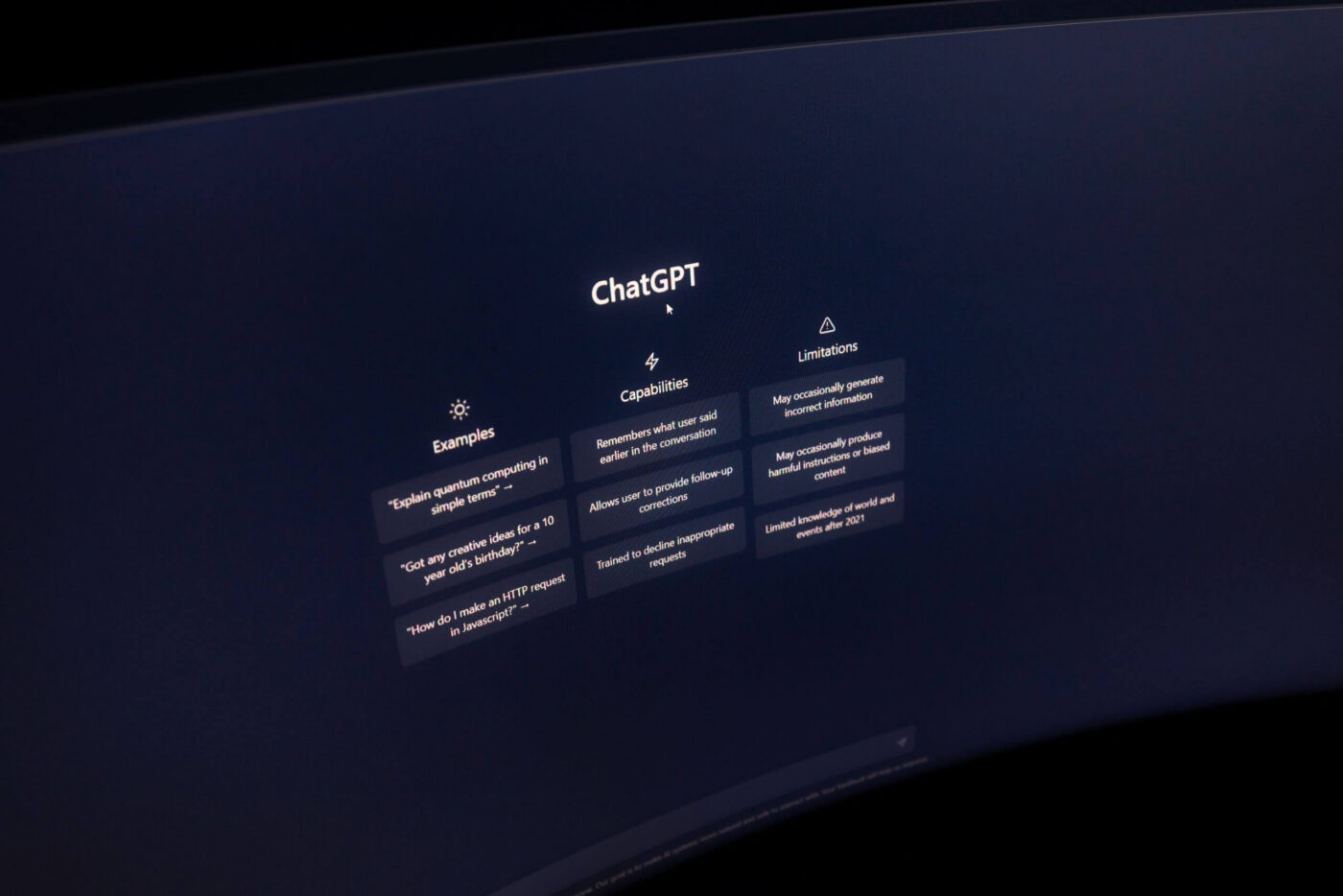
People don’t just use Google now. They ask Siri for weekend breaks. They build itineraries with ChatGPT. They check reviews surfaced in Maps. They trust Perplexity to compare destinations. Instead of being shown a list of links, they get conversational answers. If your hotel, resort, or attraction is not part of those answers, you might as well not exist.
This shift is especially tough for hospitality brands. Online Travel Agencies (OTAs) like Booking.com and Expedia already dominate traditional search. Add AI into the mix and it becomes even easier for them to steal the mention that could have been yours.
At Koozai we know that visibility is no longer about a single channel. It is about showing up consistently, credibly, and clearly wherever customers are asking questions. You need an AI search visibility strategy.
Your audience is still out there. They still want a romantic weekend in the Cotswolds, a dog-friendly lodge in Cornwall, or a summer break in the Lakes. What has changed is how they find those options.
This whitepaper is your playbook for that change. Inside you will find:
- A human-friendly way to reframe jargon like SEO, GEO, and AEO.
- A breakdown of why hospitality brands are especially vulnerable in AI search.
- Practical steps to structure content so AI assistants and answer engines can understand you.
- Real examples of UK travel prompts mapped to content strategies.
- Checklists and frameworks to make your site AI-ready without a full rebuild.
- A 90-day plan that shows you how to start now.
If you take one thing away, let it be this. Customers no longer search in one place. Your brand cannot afford to show up in just one place.
From SEO to GEO to AEO
For years, we talked about SEO. You optimised web pages, built backlinks, and targeted keywords. Success was measured by ranking above your competitors.
Then came AEO: Answer Engine Optimisation. With featured snippets and voice search, the goal shifted. You wanted to be the answer, not just one result in ten.
Next came GEO: Generative Engine Optimisation. With Google AI Overviews and tools like ChatGPT and Perplexity, search engines began creating answers. Content now needs to be structured in ways that machines can parse and reference.
These labels are helpful but risk adding confusion. Busy hospitality marketers don’t need a new acronym every year. What matters is the principle behind all of them.
That principle is that people are searching across multiple platforms now.
Instead of chasing acronyms, focus on one goal. Make your brand the trusted answer wherever customers ask questions.
That could mean:
- A place in Google results.
- A “things to do” card in Gemini.
- A ChatGPT itinerary for “3 days in York”.
- A Siri reply to “family hotels near Brighton beach”.
- A Perplexity summary for “UK spa weekend deals”.
This means stopping the habit of treating Google rankings as the finish line. Visibility today is a wider system that includes AI engines, voice assistants, and zero-click answers.
Why Hospitality Brands Are Uniquely Exposed
Hospitality and travel marketers face pressures that other industries do not. Here are the big ones.
- OTA and Aggregator Dominance: Search “best hotels in Manchester” and you will almost always see Booking.com or TripAdvisor before you. AI engines often double down on this, pulling citations from those platforms rather than from your own brand. That means fewer direct bookings and higher commissions.
- Voice Search and Assistants: A voice assistant does not list ten links. It gives one answer. “Hey Siri, find me a hotel near Edinburgh Castle” could either bring you a booking or hand it to Expedia.
- Local Nuance: UK travellers use phrasing global OTAs often miss. “Half-term break in Devon”, “stag weekend in Newcastle”, or “Easter family stay in the Lakes” are prompts you can own if your content reflects them.
- Zero-Click Habits: More travellers get what they need from previews and summaries without clicking. If your brand is not cited directly, you lose both visibility and authority.
UK hospitality brands are even more exposed because of the staycation boom. Domestic travellers use prompts tied to local seasons and culture. Think “bank holiday deals Cornwall” or “Christmas markets in York”. These are areas where local brands can beat OTAs if their content is prepared properly.
Strategy in Practice
So how does this play out?
Content Structuring for AI Parsing
AI engines need clarity. Structure content with:
- Schema markup for hotels, events, offers, and reviews.
- Q&A blocks with direct answers to common questions.
- Bullet summaries that condense guides into three to five key points.
Think of it as writing for guests and machines at the same time.
Prompt to Content Mapping
Travellers don’t type “accommodation providers UK”. They ask specific questions.
Examples:
- “Best dog-friendly hotels in Cornwall” results in a landing page with pet policies, photos, and reviews.
- “Spa weekend near London under £300” results in a seasonal offers page with price filters.
- “Half-term family break ideas UK” results in a blog with school-holiday packages and local attractions.
Match real prompts with content formats and make them answer-ready.
Authority Building
AI engines look for trust. That means:
- Mentions in respected publications like The Guardian Travel or VisitBritain.
- Syndicated guest reviews on Google and Tripadvisor.
- User-generated content shared on your own channels.
- Partnerships with regional boards and media.
In hospitality, reputation is authority.
Prompts for Hospitality and Travel
Think of prompts as the new version of keywords. Instead of focusing on short phrases like “hotels Manchester”, look at the clusters of real questions people are asking.
High-Intent Prompts
These are closest to a booking.
- “Book 5-star hotel Edinburgh”
- “Spa weekend deal Kent”
- “Dog-friendly hotel Cornwall availability”
Attribute-Specific Prompts
These highlight a feature or need.
- “Hotel with rooftop bar London”
- “Family suite with bunk beds”
- “Accessible hotel near Brighton beach”
Occasion-Based Prompts
Driven by seasons and events.
- “Christmas market hotels York”
- “New Year’s Eve stay Lake District”
- “Hen weekend cottages Cotswolds”
Regional and Seasonal Prompts
Local context matters here.
- “Half-term break Devon”
- “Easter family stay Peak District”
- “Bank holiday getaway Norfolk coast”
For each cluster, create a content module. That could be a seasonal blog, an FAQ block, a landing page, or even an interactive map.
Many hotels still rely on one generic “Our Rooms” or “Our Hotel” page. AI engines do not parse that as a clear answer. Create prompt-matched pages that respond directly to how people actually ask.
Content Architecture and Technical Foundations
Your website is more than a shop window. It is the data source AI engines pull from. If the structure is not clear, you will not be cited.
Schema in Practice
Schema is structured data that tells search engines what your content means. The most relevant types for hospitality are:
- Hotel: name, address, star rating, amenities.
- Event: seasonal activities, concerts, or special weekends.
- Offer: packages, discounts, and prices.
- Review: guest feedback with author, date, and rating.
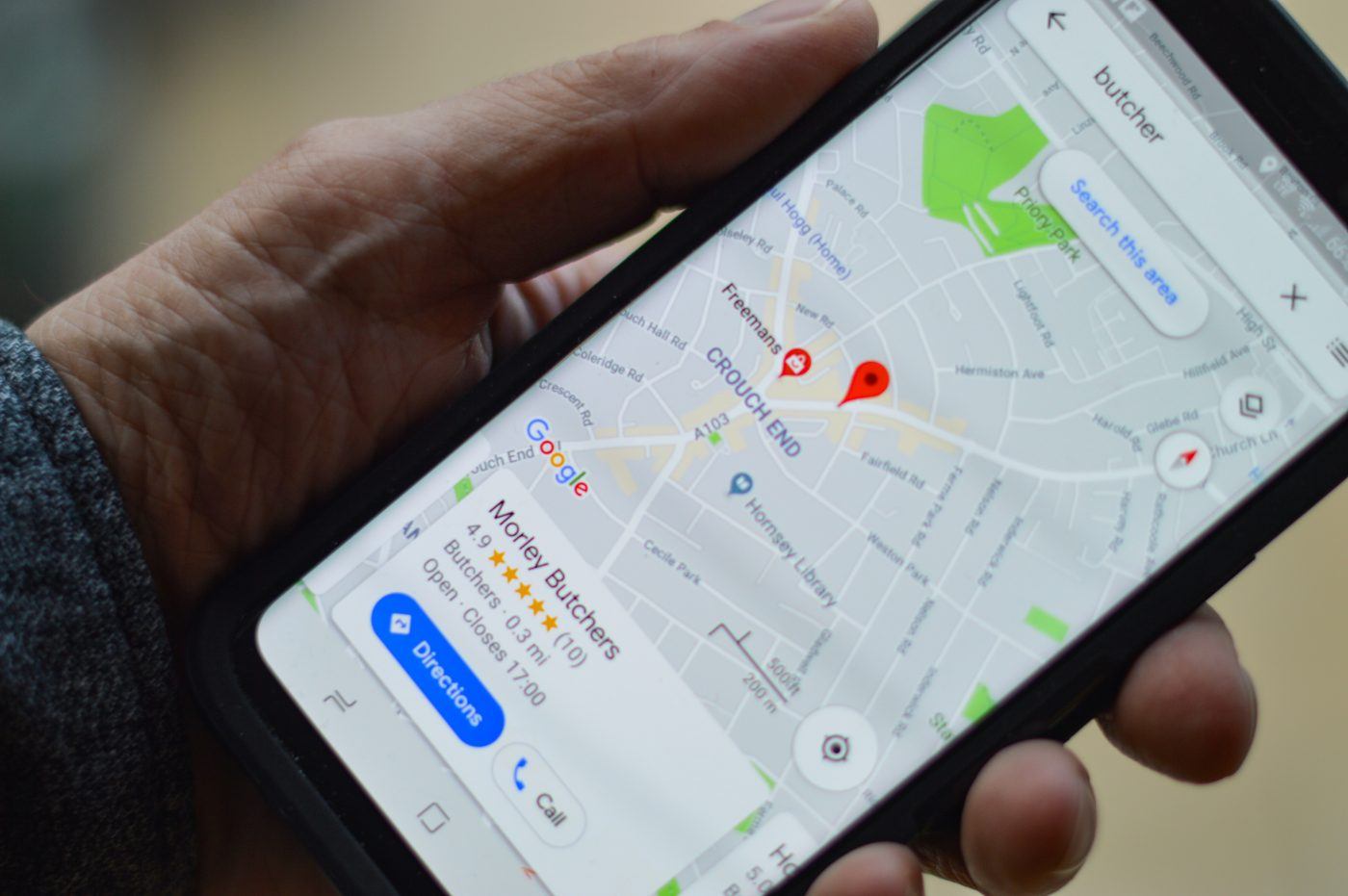
- LocalBusiness: essential details such as phone number, map, and opening hours.
Snippet Structuring
AI engines prefer concise and clear snippets. Aim for:
- Short paragraphs, no longer than three sentences.
- Headings phrased as questions, such as “Is your hotel pet-friendly?”
- Step-by-step guides where helpful, for example “How to book a spa package”.
Retrofitting Existing Pages
You don’t need to rebuild your site to get results. Start with your top 20 booking pages and add schema, summary boxes, and FAQs. This is quick to implement and immediately improves AI visibility.
Think of your website like a menu in a good restaurant. If the menu is tidy, clear, and easy to follow, both diners and chefs know what’s available. AI engines work in the same way.
Building Authority and Signals for AI Citation
AI engines decide which brands to trust based on signals of authority. Even with the best-structured site, you will not be cited without them.
Media Mentions and PR
Get featured in respected outlets. A list of “Top ten spas in Kent” in a national paper gives you credibility and visibility.
Digital PR Campaigns
Create content with a newsworthy hook. A campaign on “Britain’s most dog-friendly beaches” can generate links, citations, and coverage in both travel and lifestyle press.
User-Generated Content
Showcase guest reviews and photos, marked up with schema. Authentic voices are powerful signals for AI engines.
Local Listings
Appear in tourism board directories, regional guides, and Google Business profiles. These are often pulled directly into AI-generated answers.
Do not let OTAs do the talking for you. If Booking.com is the only site with a clear explanation of your offer, AI engines will cite them instead. Make your content equally direct, structured, and reference-ready.
Monitoring and Measurement
Traditional keyword tracking no longer gives the full picture. In AI search, the key question is simple: Did AI mention us?
Tools on the Market
- Rankscale.ai: tracks your mentions across AI answers.
- AlsoAsked: helps you understand how prompts cluster.
- Perplexity Sources: shows which sites are being cited.
Framework: The AI Visibility Loop
- Track Prompt Coverage: Are we being cited for the prompts that matter, such as “spa weekend Kent”?
- Measure Referral Shifts: What traffic is coming from AI engines and summaries?
- Spot Decay: Are our mentions disappearing over time?
Don’t only measure clicks. Mentions build trust and visibility even if the user does not click through. That presence is often the difference between being seen as credible or not.
90-Day Action Plan
Hospitality teams are busy. You need a plan you can actually act on. Here is a phased roadmap for the next three months.
Phase 1: Audit (Weeks 1–2)
- Map your top 50 prompts.
- Audit your site for schema.
- Review whether AI engines currently mention you.
Phase 2: Quick Wins (Weeks 3–4)
- Add FAQ schema to your most important booking pages.
- Publish three seasonal blogs, such as Christmas, Easter, and Summer.
- Secure one piece of regional media coverage.
Phase 3: Build (Weeks 5–8)
- Create hub pages for your core search areas.
- Run a campaign to amplify guest reviews.
- Add local business schema across your entire site.
Phase 4: Amplify (Weeks 9–12)
- Launch a digital PR campaign tied to a seasonal event.
- Expand your prompt mapping to cover 100 queries or more.
- Set up ongoing AI visibility monitoring with a tool like Rankscale.
Tool Spotlight
- Screaming Frog: checks schema and page structure.
- GA4: tracks referral traffic.
- Ahrefs or SEMrush: monitors backlinks and mentions.
The future of search is not about one ranking. It is about being present across every place where travellers ask questions.
For hospitality brands, this is both a challenge and an opportunity. The challenge comes from OTAs dominating citations and AI often favouring big names. The opportunity lies in local nuance, seasonal prompts, and being the specific answer that OTAs cannot be.
Brands that adapt now will win more direct bookings, rely less on third-party platforms, and build long-term visibility in a world shaped by AI search.
At Koozai, we help hospitality and travel teams take the practical steps to do just that. From audits and content retrofits to prompt mapping and digital PR, we make sure your brand shows up where it matters.
Next step: Contact us for help with your AI search visibility.
Let’s make sure your brand is the one people hear, see, and book. Everywhere.







Leave a Reply