
The AI Revolution in Search
AI is changing search faster than most brands can keep up. Search is no longer just about keywords or backlinks; it’s now also about who the algorithms trust, who they cite, and who they consider an authority.
The Changing Face of Search
It wasn’t that long ago that search was simple. Google was king. You optimised your website, included relevant keywords, earned a few backlinks, and you were set. But then came AI. Intelligent, responsive, and data-hungry AI; Answer engines like Google Gemini, ChatGPT, and Perplexity.
Instead of giving users a list of links, these AI engines deliver answers. They pull information directly from sources they trust and if your brand isn’t one of those sources, you’re missing out.
Why This Matters More Than Ever
If you’re thinking, “But I rank number one on Google for my keywords,” think again. Even if you’re in the top spot, AI-driven answers can steal your traffic. We’ve seen it happen with a major publisher like MailOnline, who watched their click-through rates (CTR) plummet when Google’s AI Overviews appeared:
- Desktop CTR dropped from 13% to less than 5%.
- Mobile CTR fell from 20% to just 7%.
And even when they were mentioned in the AI Overview, they still saw a 43.9% drop in desktop clicks. If that can happen to a massive publisher, it can happen to you.
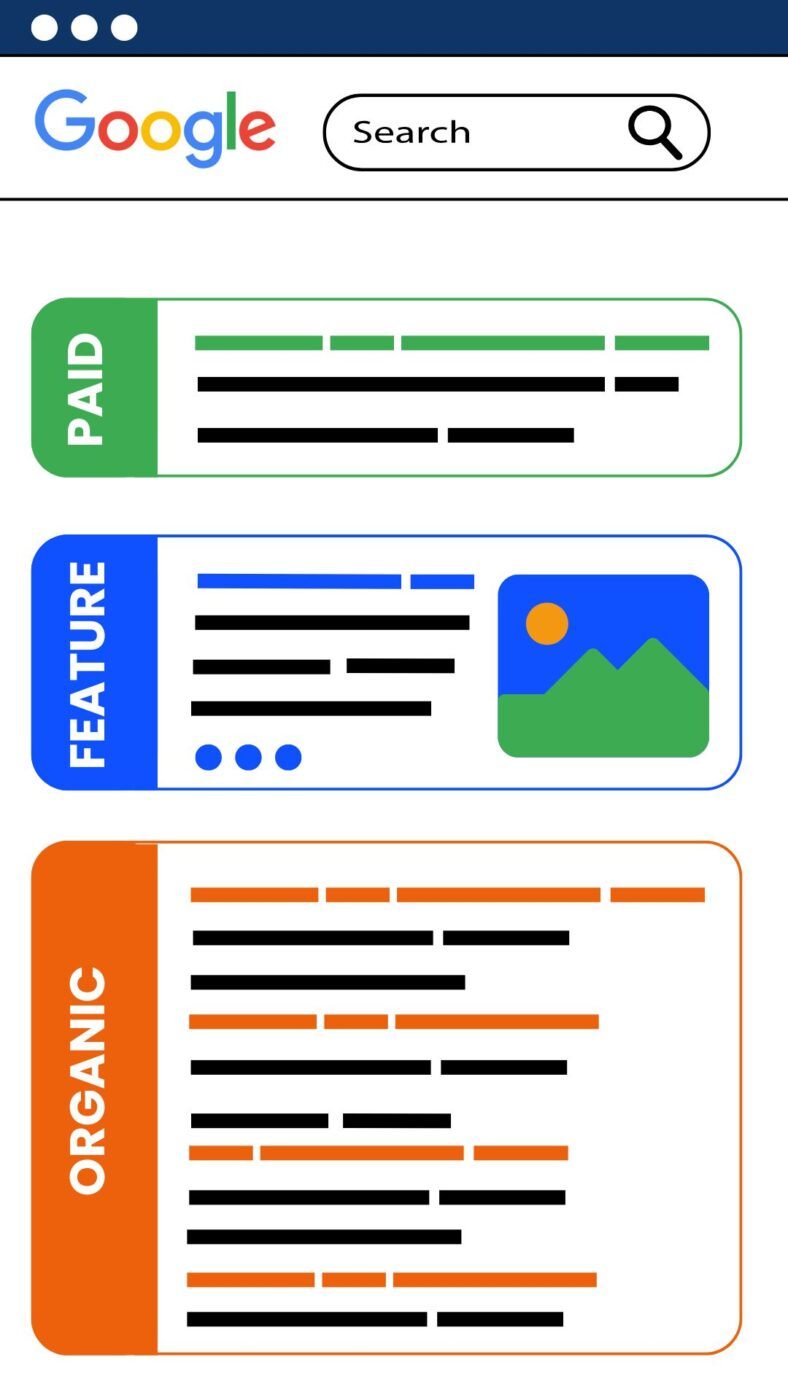
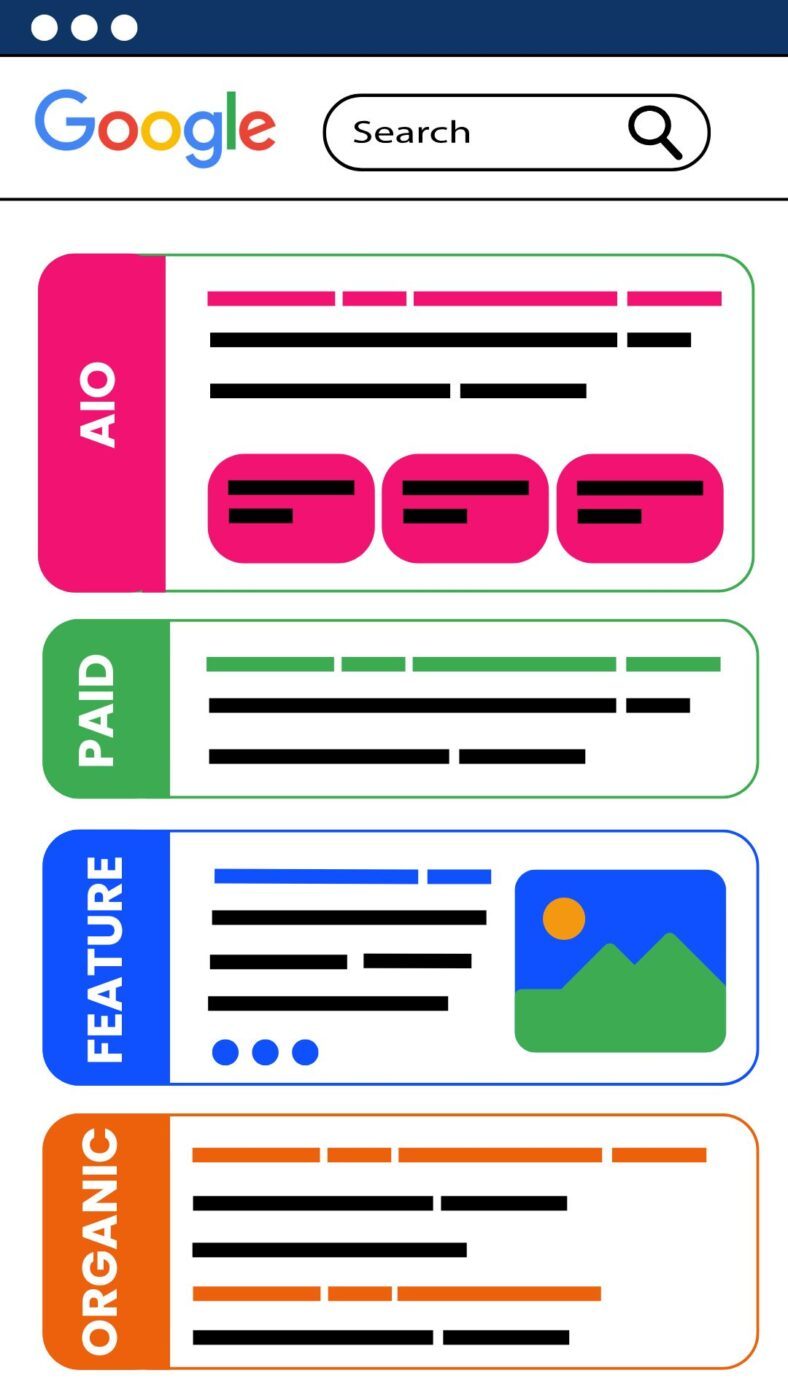
It makes total sense. Think about it. In the past the Google SERP had Paid links at the top, then some featured snippets and then the organic results. While organic was last on that list; it was still page one and a fair share of the results page. Now though, that real estate is frequently taken up by AI Overviews.
The New Rules of Search
AI is a gatekeeper. It decides which brands are trusted, which voices are heard, and which sources are cited. To win in this new world, your brand needs to be:
- Visible: Your brand must appear on trusted, high-authority sites.
- Credible: You must be seen as a source of reliable, accurate information.
- Engaged: You need to be active on platforms that AI pulls data from.
The Goal of This Guide
This guide isn’t only about helping you understand how AI search works. It’s about giving you the practical steps you need to make your brand visible. We’ll show you how to get cited, how to build brand authority, and how to become a trusted source for AI search engines.
If you’re ready to stop being invisible and start being indispensable, keep reading.
How AI Search Engines Work
AI search engines like Google Gemini, ChatGPT, and Perplexity are rewriting the rules of search. They’re creating answers. And if your brand isn’t in those answers, it’s like you don’t exist.
Understanding the AI Ecosystem
These AI search engines are trained on vast datasets, but they’re selective about where they pull their information. Here’s just a quick look at how the major players operate, as there’s more on this in the next chapter:
- ChatGPT (OpenAI): Prefers high-authority sources like Wikipedia, Reuters, and academic journals. It’s all about credibility.
- Google Gemini: Loves user-generated content (UGC) platforms like Reddit, Quora, YouTube, and LinkedIn. It’s about engagement and fresh perspectives.
- Perplexity: Values niche blogs, expert sites, and review platforms. It’s the researcher of the group, always hunting for specialised knowledge.
How They Decide What to Cite
So what makes one source more likely to be cited than another? It comes down to four key factors:
- Trustworthiness: Consistently accurate, well-sourced content has the edge.
- Authority: Trusted sites like Wikipedia, government websites, and well-established news outlets are prioritised.
- Relevance: Content that directly answers user questions is favoured.
- Engagement: For AI like Google Gemini, highly interactive platforms (like Reddit) are gold.
Why Your Brand Might Be Missing Out
If your brand isn’t being cited, it’s probably because:
- You’re not being mentioned in credible, high authority sources.
- You’re not part of the conversations on UGC platforms.
- Your content isn’t directly answering the questions people are asking.
- Create Answer-Focused Content: Write clear, direct content that answers common questions in your industry.
- Increase Your Brand Mentions: Aim to be featured in high-authority publications (news sites, industry blogs).
- Be Part of the Conversation: Engage actively on Reddit, Quora, and LinkedIn.
The AI Citation Game: Who Gets Mentioned and Why?
AI search engines are picky. They don’t just pull in information from anywhere, they have clear preferences for the sources they trust. Understanding these preferences is important if you want your brand to show up in AI-driven search results.
Who Gets Cited and Why
We’ve sifted through a wealth of research, including from Rankscale.ai and xfunnel.ai to break down the citation patterns of major AI search engines, including ChatGPT, Google Gemini, and Perplexity. Here’s what we found:
ChatGPT: The Authority Seeker
- Avoids: UGC and vendor-specific blogs are almost completely absent. ChatGPT doesn’t pull from forums or community discussions, focussing instead on established credibility.
- Preference: High-authority, factual sources like Wikipedia (27%), Reuters (6%), and Financial Times (3%)
- Top Sources: About 27% of citations come from news sites, 21% from blogs, and around 17% from comparison portals like ValuePenguin.
Google Gemini: The Balanced Synthesiser
- Preference: A mix of authoritative sources and community-driven content. YouTube is the most cited domain at around, followed by blogs and news. Community content like Reddit and Quora makes up about 2%
- Unique Trait: Google Gemini blends professional reviews with peer feedback, especially useful for consumer-focused queries.
- SEO Takeaway: Content that blends expertise with community engagement is more likely to be picked up.
Perplexity: The Niche Expert
- Preference: Strong emphasis on expert and niche sources, including blogs (38%), news (23%), and expert reviews (9%) like NerdWallet and Consumer Reports.
- Avoids: Low-quality and highly commercial content. Perplexity leans heavily towards trusted voices in specific industries.
- SEO Takeaway: Focus on building your brand’s presence on niche review sites and authoritative blogs.
Who Wins in the AI Citation Game?
From our research, it’s clear that the brands appearing in AI citations are those with strong, credible digital footprints. Brands that consistently show up in high-quality blogs, news outlets, and expert reviews have a clear advantage. On the other hand, brands relying solely on UGC or low-authority content often find themselves invisible.
- Monitor Your AI Visibility: Regularly track where your brand is being cited and adapt your strategy as needed.
- Get Featured on High-Authority Sites: Build backlinks from respected news outlets and industry blogs.
- Diversify Your Content Presence: Don’t just focus on your own site, get your content on platforms like LinkedIn, YouTube, and community forums.
Why Brand Authority and Visibility Are Non Negotiable
If you thought ranking number one in search was enough, think again. AI search engines have changed the game. Even the top spot on Google doesn’t guarantee clicks anymore, especially when AI answers dominate the page. Being visible in AI search isn’t about SEO anymore. It’s about being cited. It’s about brand authority.
The Cold Reality of AI Search Traffic
Take MailOnline as a cautionary tale. Despite ranking first for many search terms, they experienced a dramatic drop in click-through rates (CTR) when AI Overviews appeared in search results:
- Desktop CTR fell from 13% to less than 5%.
- Mobile CTR dropped from 20% to just 7%.
- Even when cited in the AI Overview, CTR still fell by 43.9% on desktop.
This isn’t just a MailOnline problem. It’s a new reality for any brand that relies on search traffic. As AI Overviews, Google Gemini, ChatGPT, and Perplexity generate answers without users ever clicking through to websites, brands that aren’t directly mentioned in these AI answers are effectively invisible.
The Power of Domain Authority
The latest research by xfunnel.ai analysed 250,000 citations from 40,000 AI-generated responses, providing a clear picture of which domains these engines prefer. The data is eye-opening:
- High-Authority Sites (DA 80-100): 31.53% of citations.
- Mid-Authority Sites (DA 40-79): 26.32%.
- Lower Mid-Authority Sites (DA 20-39): 22.07%.
- Low Authority Sites (DA 0-19): Only 4.76%.
The takeaway is clear. AI search engines prioritise high-authority domains. If your site has a low Domain Authority (DA), you’re far less likely to be cited in AI-generated answers. And without being cited, you’re nowhere.
The Types of Citations That Matter
However, the research also showed that not all citations are created equal. The xfunnel.ai study categorised citations into four types:
- Earned Media (Third-Party or Affiliate Sites): The most common citation type across all AI platforms.
- Owned Media (Your Own Domain): More likely to appear in the final stages of a buyer’s journey.
- Competitor Domains: Direct links to other brands’ content.
- User-Generated Content (UGC): Platforms like Reddit, YouTube, G2, and Trustpilot.
The dominance of earned media shows that AI search engines trust third-party validation more than self-published content. If your brand isn’t being mentioned by reputable third-party sites, you’re missing out.
The Buyer Journey: Citations Shift by Stage
AI search engines don’t only pull from the same sources for every query. The type of citations they use changes depending on the buyer’s journey stage:
- Early Stages (Problem Exploration, Solution Education): Heavy reliance on earned media and third-party sources.
- Mid Stages (Solution Comparison): A surge in UGC citations, reflecting the importance of peer reviews.
- Late Stages (Final Research, Solution Evaluation): Greater emphasis on owned media and competitor domains for direct product information.
This means your brand needs a diverse content strategy. It’s not enough to just publish product pages. You need educational content, comparison guides, and user reviews scattered across trusted third-party sites.
Brand Authority Isn’t Just About Links. It’s About Presence
Having a high Domain Authority is important, but it’s not the whole story. Even smaller brands can secure AI citations if they build a strong presence on the right platforms. The study found that different AI engines favour different UGC sources:
- Perplexity: Favours YouTube and PeerSpot.
- Google Gemini: Highlights Medium, Reddit, and YouTube.
- ChatGPT: Frequently mentions LinkedIn, G2, and Gartner Peer Reviews.
For your brand, this means you need to be visible across these platforms, not just your own site. That means engaging in conversations on Reddit, maintaining an active LinkedIn presence, and earning mentions on industry blogs.
In a world where AI drives search results, brand authority is central to your survival strategy.
The New Playbook: How to Make Your Brand Impossible to Ignore
As you’ve seen from the prior chapters, AI search engines don’t just rank websites, they cite them. They choose which brands they trust, which voices they amplify, and which names appear in answers. If your brand isn’t being cited, it doesn’t exist. So how do you make your brand impossible to ignore? You need a clear, tactical plan that goes beyond traditional SEO. You need the new playbook.
The Winning Formula: PR + SEO + Content Strategy
If you’ve had a strong digital strategy in place, your website has been optimised and SEO best practice has been followed, then you’re building on already strong foundations. As, if you want your brand to appear in AI-generated search results, you need a three-part approach:
- PR: Build your brand’s reputation on high-authority sites.
- SEO: Make your content discoverable, factual, and AI-friendly.
- Content Strategy: Create content that directly answers user questions.
This is how you build brand authority, create citations, and dominate AI-driven search. Let’s break down exactly how to do it.
Step 1: Build Brand Authority
If AI search engines prefer high-authority sites, you need to become one. This isn’t just about having a polished website. It’s about being cited by credible, trusted sources across the web.
Action Steps:
- Get Featured in Major Publications: Pitch articles, quotes, and expert opinions to high authority news sites and industry blogs. Think about sites like Reuters, Forbes, and industry specific publications.
- Earn Mentions from Experts: Partner with thought leaders and influencers. Get quoted in expert roundups and guest blogs.
- Create Research-Driven Content: Publish studies, surveys, or original research that journalists and other websites will reference.
- Leverage Press Releases: Use PR distribution services to announce major news, reports, or insights from your brand.
AI search engines like ChatGPT, Perplexity, and Google Gemini prioritise authoritative sources. According to xfunnel.ai, 31.53% of citations in AI-generated answers come from high-authority domains (DA 80-100) so work to get your site in that bracket.
Step 2: Dominate Branded Searches
Branded searches are your safety net. When users search for your brand by name, you want to own that space. Being top of mind is everything.
Action Steps:
- Optimise for Branded Terms: Make sure your website ranks first for all variations of your brand name (e.g. Koozai digital marketing, Koozai seo agency).
- Secure Branded Social Media Profiles: Maintain active profiles on LinkedIn, Twitter, Instagram, Facebook, and YouTube.
- Create Unique Content: Develop signature content that can’t be replicated and only your brand can produce; like expert guides, videos, proprietary research, or industry insights.
- Encourage Branded Mentions: Get customers, partners, and industry insiders to mention your brand name in their content.
Branded searches are resilient. For instance, users searching “Digital Marketing Blog Koozai” are looking for a specific source. Make sure your brand is the one they look for.
Step 3: Be Part of the Conversation
AI search engines pull information from active conversations; Reddit threads, Quora answers, LinkedIn posts, and YouTube videos. If your brand isn’t visible in these spaces, you’re missing out.
Action Steps:
- Engage on Reddit and Quora: Answer questions in your industry with genuine, helpful insights. These platforms are favourites of Google Gemini.
- Maintain an Active LinkedIn Presence: Share thought leadership posts, engage with industry discussions, and comment on other leaders’ content.
- Create YouTube Explainers: Video content is a powerhouse for visibility. Make short, clear videos that answer common questions in your niche.
- Join Industry Forums: Participate in relevant communities where your expertise is valued.
AI search engines like Perplexity and ChatGPT value fact-rich content. For example, ChatGPT is more likely to cite high-authority, well-researched content like Wikipedia or Reuters.
Step 4: Optimise Your Content for AI Readability
AI search engines don’t just read, they extract. If your content is clear, well-structured, and factual, it’s more likely to be cited.
Action Steps:
- Use Clear, Concise Language: Make it easy for AI to understand your points.
- Structure Content with Headings: Use H1, H2, and H3 tags to break up sections.
- Include Data and Statistics: AI loves factual content. Use real-world data, and always cite your sources.
- Create FAQ Pages: Answer common industry questions directly; these are a goldmine for AI engines.
- Add Schema Markup: Use structured data (like FAQ Schema or How-To Schema) to help AI understand your content.
AI search engines like Perplexity and ChatGPT value fact-rich content. For example, ChatGPT is more likely to cite high-authority, well-researched content like Wikipedia or Reuters.
Step 5: Prioritise Credibility Over Clickbait
Don’t just chase clicks, chase trust. AI engines are designed to prioritise credible, accurate information. If your brand becomes known as a reliable source, you’ll get cited.
Action Steps:
- Use Authoritative Sources: Always link to credible references (news sites, research reports, government websites).
- Include Author Bylines: Showcase your team’s expertise with detailed author bios.
- Keep Content Updated: Regularly review and update your content to ensure it remains accurate.
- Avoid Misleading Headlines: Clickbait might work for social media, but it won’t get you cited by AI.
According to xfunnel.ai, the most cited content types in AI search engines are earned (third party, editorial, or affiliate), followed by UGC. Prioritise creating credible content that others will want to cite.
The Playbook at a Glance: Your Brand Authority Checklist
Build Brand Authority:
- Get featured in high-authority sites.
- Earn expert mentions.
- Use press releases for major announcements.
Dominate Branded Searches:
- Optimise for branded terms.
- Secure active social media profiles.
- Create unique, signature content.
Be Part of the Conversation:
- Engage on Reddit, Quora, and LinkedIn.
- Create YouTube videos answering key questions.
- Join industry forums.
Optimise for AI Readability:
- Use clear, concise language.
- Add data, statistics, and structured data.
- Maintain FAQ pages.
Prioritise Credibility:
- Keep content accurate and updated.
- Avoid clickbait.
- Link to authoritative sources.
Tactical Strategies: Getting Cited by Specific AI Search Engines
Now that you know the game, it’s time to play it. Understanding how AI search engines work is one thing, getting them to actually cite your brand is another. This chapter is your tactical guide to making sure your brand is the one that shows up in AI-generated answers of your chose platform/s.
As we’ve seen, citation isn’t just about brand visibility, it’s about credibility. If an AI search engine like ChatGPT, Google Gemini, or Perplexity cites your brand, it means they trust your content. And if they trust you, your brand becomes part of the information ecosystem that these AI models rely on. So how do you make that happen? By understanding how each AI engine works and playing to their strengths.
Getting Cited by Google Gemini: The Social and Community Expert
Google Gemini is a bit of a hybrid, it pulls data from a wide range of sources, including YouTube, Reddit, Quora, and even LinkedIn. It’s a mix of high-authority sites and user-generated content (UGC), making it a prime target if you know where to engage.
Action Steps:
- Leverage UGC Platforms: Be active on Reddit, Quora, and LinkedIn. These are goldmines for Gemini citations.
- Create YouTube Content: Videos are a major part of Gemini’s ecosystem. Make short, clear videos that answer popular questions in your niche.
- Join Conversations: Don’t just post, engage. Answer questions, join discussions, and be seen as an industry expert.
- Optimise for User Intent: Make your content directly answer user questions, this increases the chance that Google Gemini will pull your answer.
According to xfunnel.ai, Google Gemini relies heavily on UGC, with Reddit and YouTube among the most frequently cited sources. This means active participation in these communities can directly impact your visibility.
Getting Cited by ChatGPT: The Authority Seeker
ChatGPT has a strong preference for high authority sources. It’s more likely to cite Wikipedia, major news outlets like Reuters, and highly credible blogs. It avoids UGC almost entirely.
Action Steps:
- Aim for High-Authority Mentions: Get your brand featured in major publications like Reuters, Forbes, or industry-specific news sites.
- Build a Strong Wikipedia Presence: If your brand is notable enough, having a well-referenced Wikipedia page is a huge advantage.
- Publish Data-Driven Content: ChatGPT loves fact-rich, well-cited content. Publish whitepapers, reports, and detailed guides.
- Collaborate with Thought Leaders: Get cited by recognised experts who are trusted in your field.
ChatGPT’s preference for authoritative sources is clear. In a study of 250,000 AI citations, 31.53% came from high-authority domains (DA 80-100).
Getting Cited by Perplexity: The Expert Curator
Perplexity is a bit of a wildcard. It values niche blogs, expert sites, and trusted review platforms. It’s the “researcher” of the AI world, always looking for credible, detailed information.
Action Steps:
- Focus on Niche Blogs: Write guest posts for respected niche sites in your industry.
- Become an Expert Voice: Regularly publish high-quality, in-depth articles that demonstrate your expertise.
- Get Featured on Trusted Review Sites: If you’re in a product-focused industry, aim for reviews on trusted platforms like NerdWallet or Consumer Reports.
- Collaborate for Co-Branded Content: Partner with industry experts to create joint articles, reports, or videos.
Perplexity is known for its preference for detailed, expert driven content. In fact, 38% of its citations come from blogs, with another 23% from news sites.
How to Optimise Your Website for AI Citations
Regardless of the AI engine, your website can become a prime source if you structure your content correctly.
Action Steps:
- Use Structured Data: Add schema markup (FAQ, How-To, Article) to help AI understand your content.
- Answer Direct Questions: Create FAQ pages that directly answer common industry questions.
- Publish Long-Form Content: In-depth, well-researched guides are more likely to be cited.
- Link to Authoritative Sources: Enhance your credibility by citing trusted sources within your content.
- Update Regularly: Fresh, up-to-date content is more likely to be trusted and cited.
Tracking Your AI Citations
You can’t improve what you don’t measure. Make sure to monitor where your brand is being cited in AI-generated responses.
Quick Win: The Ultimate AI Citation Checklist
- Google Gemini: Be active on UGC platforms (Reddit, Quora, YouTube).
- ChatGPT: Build authority on high-trust sites (Wikipedia, Reuters).
- Perplexity: Target niche industry blogs and expert review sites.
- Website Optimisation: Use schema markup, answer questions, and maintain fresh content.
- Track Your Progress: Monitor citations and refine your strategy.
Master these tactics, and you won’t just be visible in AI search engines, you’ll be cited. And in terms of AI-driven search, that’s everything.
Advanced Tips: Owning Your AI Narrative
You’ve done the groundwork. Your brand is visible, you’re getting cited by AI search engines, and your content is out there. But visibility alone isn’t enough. If you want your brand to dominate, you have to go beyond being seen. You have to own your narrative.
This chapter is all about taking control, making sure the information that AI uses about your brand is accurate, authoritative, and strategically positioned to put you in the best light.
Why Your AI Narrative Matters
Imagine this: Someone asks an AI about your brand. Does it describe you the way you want to be seen? Does it focus on your expertise, your unique value, and your industry leadership? Or does it pull in a half baked description from a low-quality blog or an outdated review?
This is the new reality of search. If you don’t actively shape the story that AI tells about your brand, you leave it to chance and that’s a risk you can’t afford.
Understanding How AI Builds Your Brand’s Story
AI search engines like ChatGPT, Google Gemini, and Perplexity create answers. And they build those answers from a mix of sources they trust. This can include:
- Your own website (if it’s seen as authoritative).
- High-authority sites (Wikipedia, Reuters, major news outlets).
- User-generated content (Reddit, Quora, YouTube).
- Niche blogs and expert review sites (NerdWallet, Consumer Reports).
Trouble is, these sources aren’t always accurate or flattering. Your job is to make sure that the best, most accurate, and most flattering information about your brand is what the AI sees.
Step 1: Monitor Your Brand’s AI Visibility
You can’t control your narrative if you don’t know what’s being said. Regularly track how your brand is being mentioned in AI search results.
How to Track Your AI Visibility:
- Set Up Alerts: Use tools like Google Alerts or Mention to get notifications whenever your brand is mentioned.
- Regularly Test AI Engines: Search for your brand on ChatGPT, Google Gemini, and Perplexity. See what they say and where they get their information.
Step 2: Build an AI-Ready Content Ecosystem
If you want AI to cite you, you have to give it something to work with. That means creating content across a wide range of platforms, all designed to present your brand as an authority.
Action Steps:
- Optimise Your Own Site: Make sure your site has clear, authoritative content that directly answers user questions.
- Dominate High-Authority Platforms: Aim for mentions in trusted sites like Reuters, Forbes, or industry-specific publications.
- Contribute to UGC Platforms: Share your insights on Reddit, Quora, and LinkedIn. These are gold for Google Gemini and other UGC-friendly engines.
- Publish Expert-Driven Content: Think whitepapers, original research, and thought leadership articles. These are especially valuable for ChatGPT and Perplexity.
- Leverage Video and Audio: Create YouTube explainers, join industry podcasts, and participate in webinars. AI loves multimedia.
Step 3: Create a “Citation Strategy” for Your PR Team
Your PR team can’t only get coverage; it needs to be the right kind of coverage. Make sure they know which sources matter most for AI visibility.
Target These Platforms:
- Google Gemini: Prioritise UGC platforms like Reddit, Quora, YouTube, and LinkedIn.
- ChatGPT: Secure mentions on high-authority sites like Wikipedia, Reuters, and major news outlets.
- Perplexity: Focus on niche industry blogs, expert review sites, and specialised news outlets.
PR Tactics:
- Pitch Your Experts: Make your team members available for expert quotes in major publications.
- Publish Guest Articles: Write for respected industry blogs.
- Join Industry Discussions: Answer questions on Quora, Reddit, and LinkedIn.
- Leverage Data-Driven PR: Release original research or whitepapers that journalists want to cite.
Step 4: Control Your Wikipedia Presence
For ChatGPT, Wikipedia is the king of citations. If your brand is notable enough, having a well-written, well-referenced Wikipedia page can be a game-changer.
How to Optimise Your Wikipedia Page:
- Follow Wikipedia’s Rules: Neutral, fact-based, and well-cited content is key.
- Regularly Update It: Make sure your page is up-to-date with your latest achievements.
- Back It with Reliable Sources: Your page should cite credible publications (not your own website).
Step 5: Shape Your Brand’s Expertise with Author Pages
AI engines love citing experts. Make sure your key team members are seen as thought leaders.
Action Steps:
- Create Author Pages on Your Site: Showcase your team’s credentials, expertise, and published content.
- Get Your Team Quoted: Have your experts contribute to industry blogs, podcasts, and webinars.
- Build Personal LinkedIn Profiles: A strong LinkedIn presence can boost your team’s credibility in AI search results.
Take Control of Your AI Story
AI search engines are going to talk about your brand. Your job is to make sure they tell the right story. By managing your brand’s online presence, optimising your content for AI visibility, and making sure your experts are recognised, you can turn AI search from a threat into a powerful tool.
Remember: In the world of AI search, it’s not only about being found, it’s about being found in the right way.
The Future of Search is AI: Are You Ready?
Let’s face it, search has changed forever. We’re no longer living in a world where your SEO strategy just means trying to rank at the top of Google’s SERPs. Instead, we’re in a space where AI-driven search engines, deliver answers instantly, often without users ever needing to click a link. So it’s important your brand IS being cited in these AI generated answers.
But here’s the good news: you now have the playbook. You understand how AI search engines like ChatGPT, Google Gemini, and Perplexity decide what to cite. You know how to build brand authority, optimise your content, and strategically position yourself for visibility. You’re ahead of most brands, because you know that just ranking isn’t enough.
Your Competitive Advantage: Consistent, Credible, Everywhere
If you take away one thing from this whitepaper, it should be this: AI search engines trust sources that are consistent, credible, and present everywhere users are looking for answers.
This is why your brand needs to be visible not just on your own site, but across the web:
- Cited in news articles.
- Discussed in Reddit threads.
- Quoted in expert interviews.
- Linked from trusted blogs.
- Highlighted in user reviews.
AI search engines are not biased; they just follow the data. If your brand is consistently seen in places they trust, you’ll become a trusted source in their eyes too. AI engines are getting smarter by the day. The sources they trust may change, but their preference for clear, authoritative, and well-cited content won’t.
Taking Your AI Strategy to the Next Level
Now that you know how to get cited, it’s time to put it into action. Here’s your next move:
- Audit Your Current AI Visibility: Search for your brand on ChatGPT, Google Gemini, and Perplexity. See what’s being said (or not said) about you.
- Identify Gaps: Are you missing from key sources? Are the citations inaccurate or unflattering?
- Create a Citation Strategy: Prioritise high-authority sources and user-generated platforms based on your industry.
- Educate Your Team: Make sure your PR, SEO, and content teams know how to create content that AI will cite.
- Track Your Progress: Monitor your brand’s AI citations over time.
Don’t Fight AI, Partner with It
AI search is here, and it’s not going away. But that doesn’t have to be bad news. If you embrace it, understand it, and actively work to make your brand part of it, you can turn it into a powerful tool for visibility.
Remember, you have a choice: be the answer, or be invisible.
Which one will your brand be?








Leave a Reply