Missed BrightonSEO? Here are the 15 biggest content, PR, and link building takeaways to help improve your website
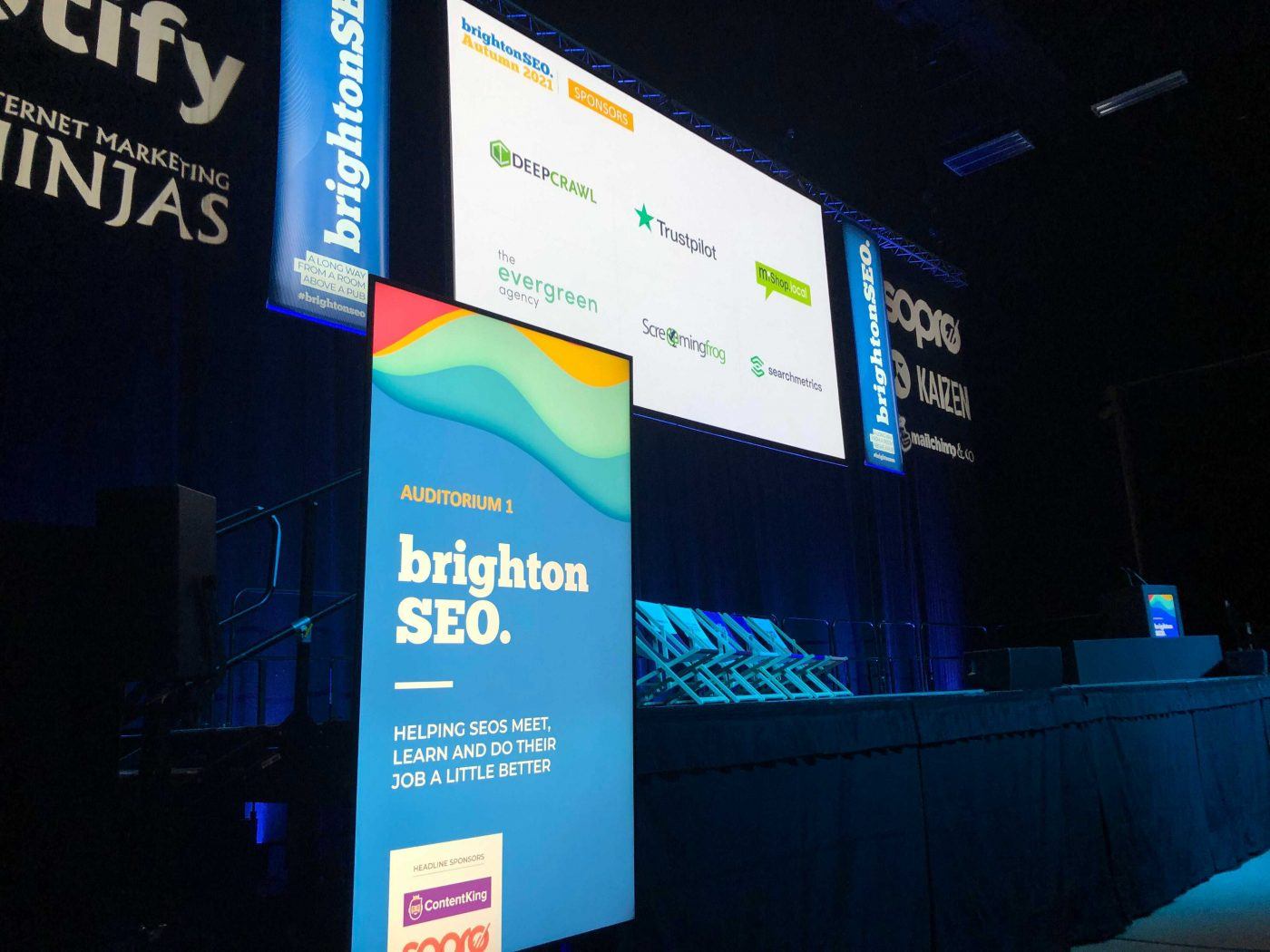
Returning to the real world for the first time since the pandemic, last week’s BrightonSEO – the world’s largest gathering of search marketers – was easily one of the best in recent memory.
Not only was it brilliant for us Koozians to visit Brighton and connect with other digital marketing experts in person once again, but we also gained all of the latest digital marketing knowledge uploads with insightful updates and tips in SEO, Paid Media, PR, and content marketing. And we can’t wait to put it all into practice!
After a knowledge-packed few days, the conference came to a pinnacle on Friday with the Keynote session focusing on digital PR – a testament to the crucial role that links play in driving organic search performance. But it was also a refreshing take on the SEO industry’s evolving attitude to link building, PR and content.
However, Stacey’s talk was just one of several dedicated to links and content. Our digital PR and content marketing experts have put together 15 of the top takeaways from BrightonSEO for those of you that missed the conference:
- Stacey MacNaught’s Keynote highlighted just how competitive digital PR has become – with more PRs in the industry than ever before and journalists linking out to other sites more selectively. Echoing Google’s John Mueller, who earlier this year said that link quality/relevance is more important than the total number of backlinks, Stacey highlighted that marketers often focus too much on arbitrary link targets. She made the case for building more media relationships and recommended thorough prospecting based on what journalists actually cover. She also stressed the importance of building credibility as a media resource by reacting very quickly to journalist alerts and the news agenda – and highlighted the benefits of an editorial-first approach that focuses on giving journalists exactly what they need, when they need it. Amen!
- Beth Nunnington’s talk was all about relevancy in digital PR. Building on Google’s comments on link relevancy, Beth’s own research and case studies showcased how the topical relevancy of backlinks – not the total number of them – is what correlates most strongly with strong SEO performance.
- Azeem Digital gave us a look at how he’s gained massive followings for his podcasts, showing us the huge size of the market and that it’s often easier than it looks! He explained that good cover art is key to introducing podcasts to new audiences and claims that it is often not possible to successfully make anyone podcast easy, good and long – instead focus on being one or two of these things!
- With journalists linking out less often, James Brockbank showcased an interesting survey of journalists which indicates when media will consider linking out. It found that about half of journalists won’t typically link out, with some media having no link policies. Because links take users away from media sites, it is increasingly incumbent on PRs to use content to provide good reasons to encourage linking. 53% of journo said that they will link out if the content gives editorial value. But the content needs to be seen by the journalist as adding real value to their readers for them to consider it.
- Jane Hunt mentioned the increased competition for links due to fewer journalists linking out and more PRs in the industry. She suggests combining hero content, newsjacking and proactive listicle-style PR to get the most out of your efforts. When it comes to newsjacking, Jane talks about the need for speed and the importance of getting quotes and media assets signed off ahead of time.

- Jack Nottidge focused on the customer journey and the importance of grouping keywords into categories and subcategories to drive tailored onsite content creation. However, Jack also highlights the importance of interpreting user intent behind searches and targeting content not just to what people have said in search queries – but what they actually mean (especially if they don’t know much about the topic they’re searching about).
- Stephen Kenwright delved into the importance of PR for generating search demand. His talk highlighted that while links are a key ranking factor, this approach only capitalises on existing search demand and does not build brands. Good product based PR stunts are more than just link building – they can go viral and generate more brand or product relevant search demand around your site.
- Lucy Dodds introduced the fundamentals of a content strategy and recommended focusing on hubs of similar content to drive a site’s topical relevancy. Lucy also highlighted that getting content recommendations actioned is key and says not to underestimate the importance of stakeholder calls, simple instructions, working in batches and making records.
- Jen MacDonald discussed the PR opportunities around awareness days. With days for everything, the key to using them successfully and getting journalists to pick up content is in producing stories that are unique, editorial-first and super relevant to the news cycle. Don’t forget to utilise relevant experts and provide everything to the journalist upfront!
- Liz Gration talked about passive link building, which in a nutshell is everything to do with creating brilliant content that generates its own links. Although this approach takes time, Liz showed some great examples of how (often stats based) content can create its own top-tier links. While there are lots of ways to do this, one great way is to look at what content in your niche naturally gains lots of backlinks and think about creating content targeted at ranking for searches that media and content creators make when they’re searching for sources to cite in their work.

- Helen Klaustrup talked about the content marketing funnel and the importance of tailoring content for the intent of each stage of the customer journey. Top tip for creating well purposed content – consider breaking your keyword research up by keywords as they relate to different stages of the funnel. When doing this, think about the best format for each stage – for example, video content is great when you want to research a topic, but not when you want to look up something quickly.
- Tom Mansell introduced his process for hero content campaigns and stressed the importance of collaboration, stakeholder management, and aligning teams on KPIs and objectives early on. His talk also stressed the importance of utilising strengths from traditional PR relationships and introduced interesting ideas for data-lead campaigns, such as forum scrapping.
- Natalie Arney looked at the power of internal linking and the importance of getting a good internal linking strategy in place for spreading link equity throughout your website. Her presentation stressed that internal links can drive bigger than expected SEO gains and suggested using Google Analytics to prove it!
- Kenda MacDonald focused on behavioral insights and bias in content creation. She explained that there are several types of bias that can impact how marketers create content and how audiences consume it. With people often thinking non-deliberatively, they take short cuts which lead to biases which can impact conversion rates. She advises against coercive onsite practices and recommends focusing on addressing people’s needs. This often means being aware of your biases and thinking about how to provide context and use simple language/sign posting. She also suggests thinking about how to show the reader respect, provide real meaning and illustrate the bigger picture.
- Hana Bednarova revealed some fantastic sites for finding data sources for data-driven PR and content campaigns such as the ONS, Statista, HSE, the FCA, data.police.uk, and Companies House – among many others! She also talked about the importance of acting fast and using the most up-to-date data available.
If you’re interested in finding out more about how digital PR, SEO, and content marketing can leverage your website, then get in touch or check out one of our online digital marketing training courses.







Leave a Reply