The search industry has created quite the collection of names for the work involved in helping brands appear more often across ChatGPT, Google’s AI features and other AI-generated answers.
But are people actually using the same language?
We surveyed 160 respondents to find out which AI Search terms they recognise, which they understand, which they prefer and, crucially, what they say they would search for when looking for an agency to help.
The results reveal a fairly sizeable gap between recognising GEO and actually choosing to use it.
GEO is recognised far more than it is used
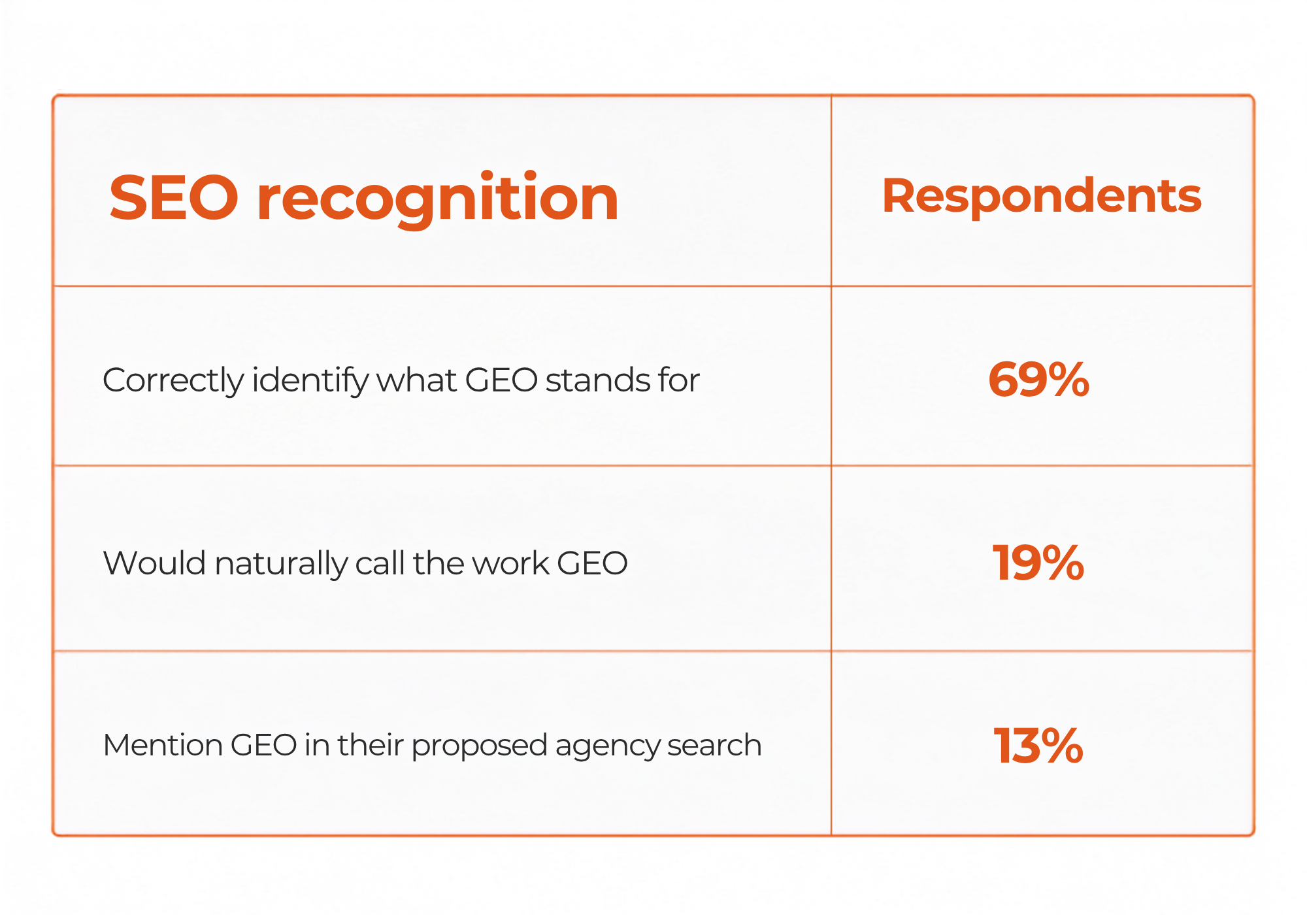
Nearly seven in ten respondents could correctly identify what GEO stands for.
But when we moved away from the definition and asked what they would naturally call work designed to improve AI Search visibility, fewer than one in five chose GEO.
The number dropped again when we looked at the terminology appearing in respondents’ proposed agency searches.
Koozai AI Search Terminology Research, 2026. Base: 160 respondents.
Perhaps GEO doesn’t have an awareness problem. Perhaps it has an adoption problem.
AI Search Optimisation is better known than GEO or AEO
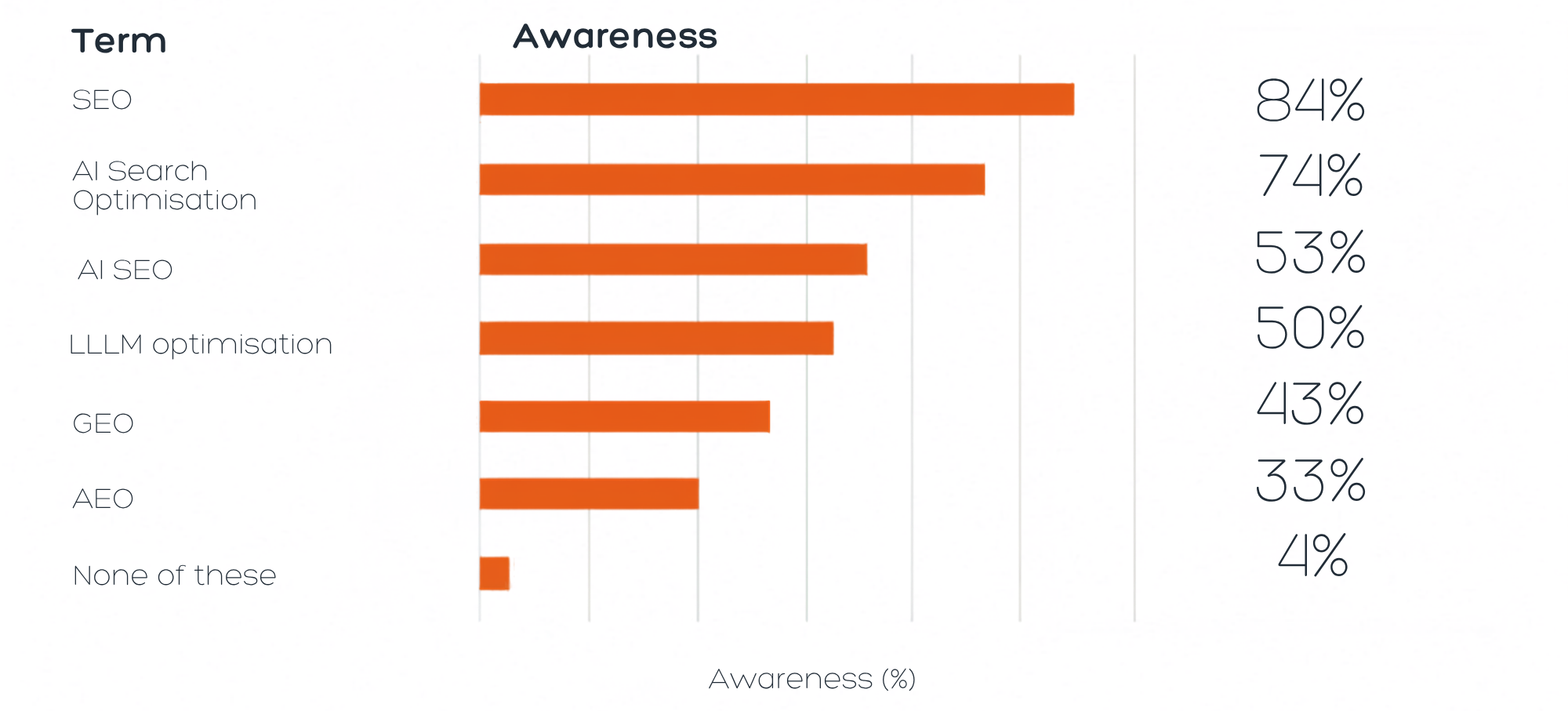
We first asked respondents which search and AI Search terms they had heard of before taking the survey. SEO was comfortably the best-known term, which won’t cause many raised eyebrows. The more interesting comparison comes from the newer terminology.
74% had heard of AI Search Optimisation, compared with 43% for GEO and 33% for AEO.
Which terms had respondents heard of?
Respondents could select more than one answer. Koozai AI Search Terminology Research, 2026. Base: 160 respondents.
People can identify GEO even when they haven’t heard of it
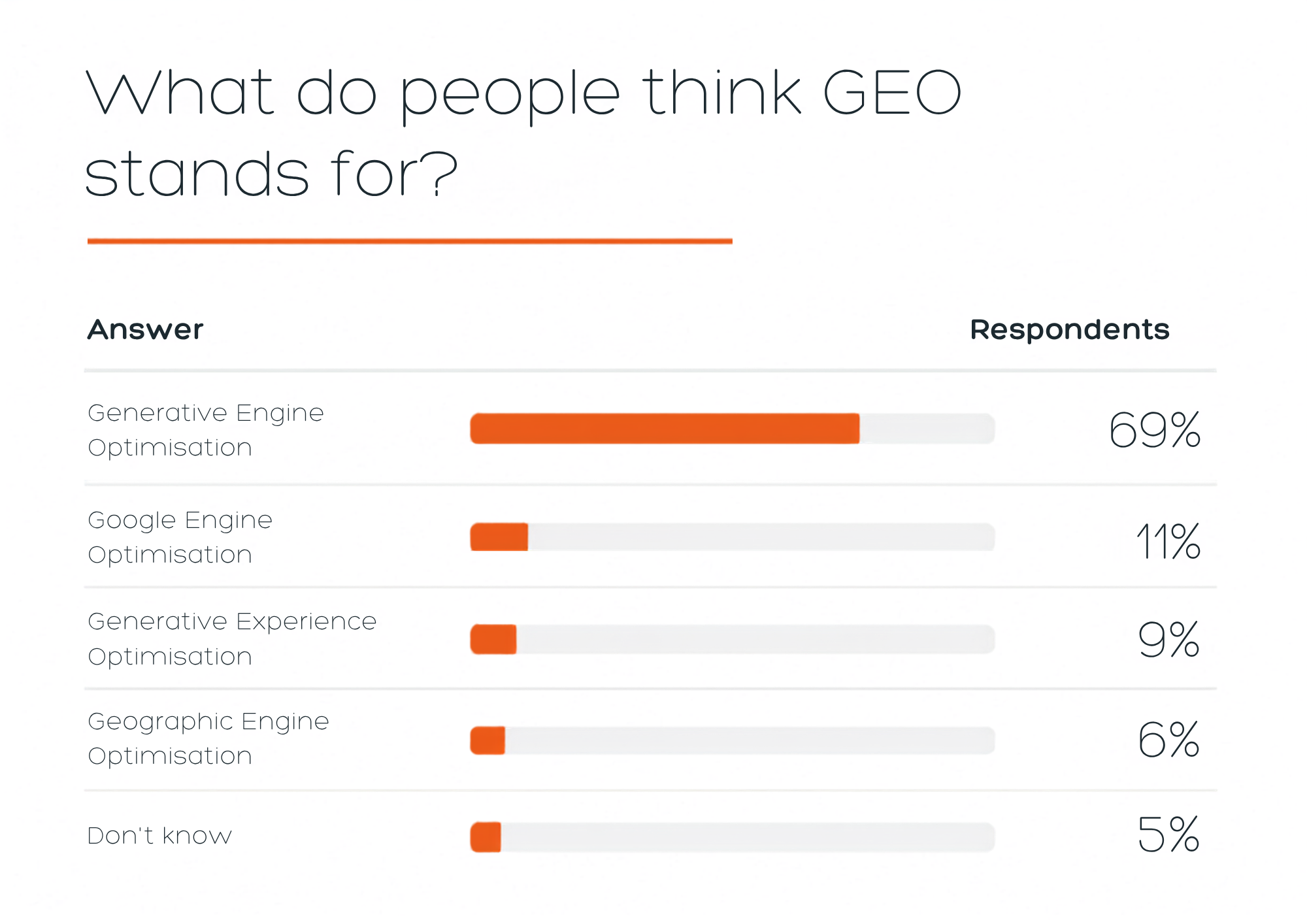
This is where the results get more interesting. When we asked what GEO stands for in a digital marketing context, 69% selected Generative Engine Optimisation. That sounds like fairly convincing evidence that GEO is well understood.
There’s a catch.
Only 43% had previously told us they’d heard of GEO.
Among the 92 respondents who said they hadn’t heard of GEO before taking the survey, 50% still selected the correct definition.
That suggests multiple-choice recognition and genuine familiarity aren’t necessarily the same thing.
“Generative Engine Optimisation” may simply be reasonably easy to work out when it’s sitting alongside a few alternative definitions.
50% of respondents who said they hadn’t previously heard of GEO could still correctly identify what it stood for. That matters when we talk about how established GEO has become.
Someone being able to recognise the right definition doesn’t automatically mean they use the term, hear it regularly or would think to search for it themselves.
What do people think GEO stands for?
Correct answer: Generative Engine Optimisation. Figures are rounded. Koozai AI Search Terminology Research, 2026. Base: 160 respondents.
Knowing what GEO means doesn’t mean wanting to call it GEO
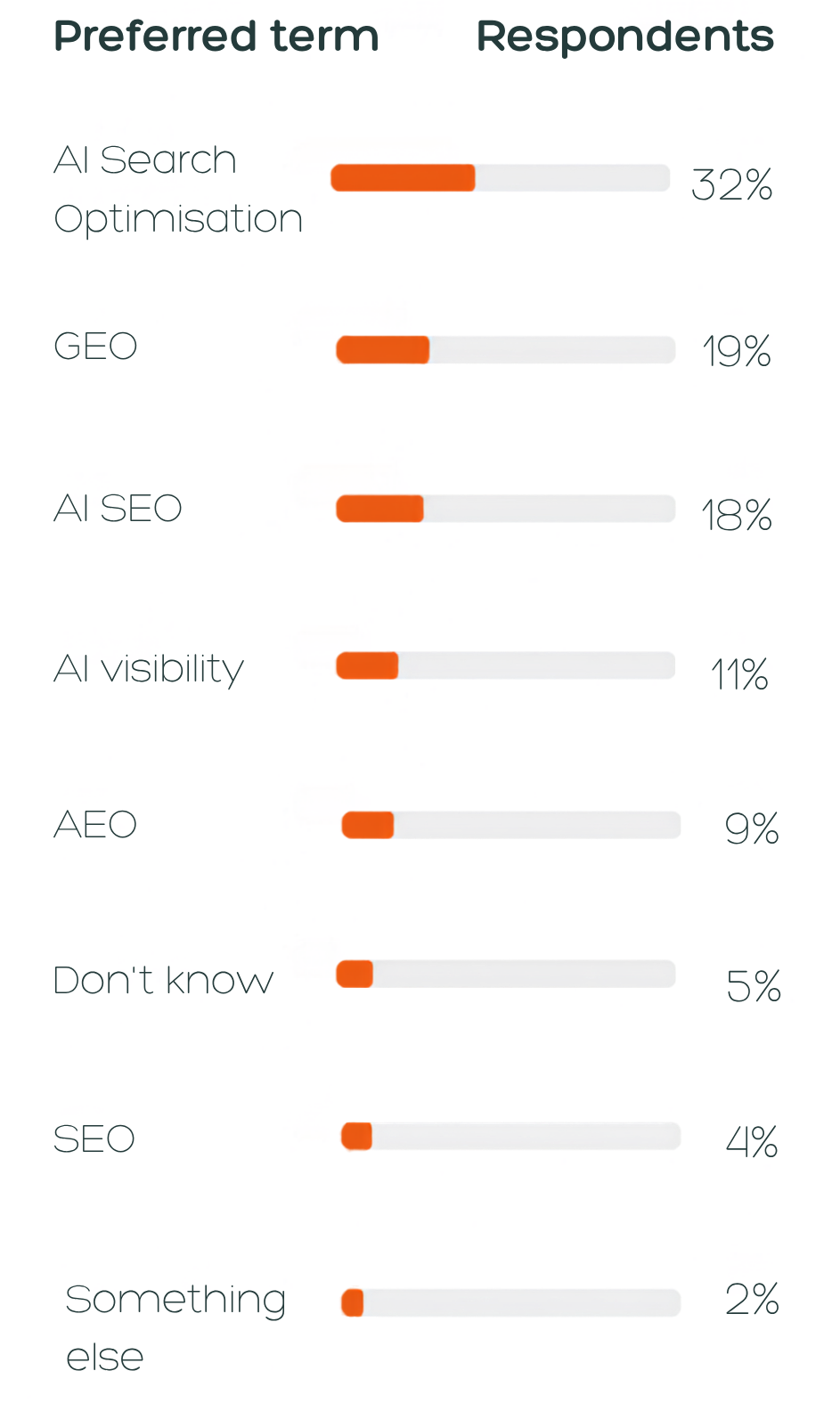
We then removed the acronym test and described the work itself. Respondents were asked what they would most naturally call work designed to improve how often an organisation appears within ChatGPT, Google’s AI features and other AI-generated answers. The most popular answer was AI Search Optimisation. Almost a third chose it.
GEO came second at 19%, virtually level with AI SEO at 18%.
What would respondents naturally call the work?
Figures are rounded. Koozai AI Search Terminology Research, 2026. Base: 160 respondents.
AI Search doesn’t really have an agreed name yet
There’s a temptation to look at those results and crown AI Search Optimisation the winner. We’re not sure that’s the most useful conclusion. Yes, it’s the most popular term in our research. But it still only attracts 32% of respondents.
GEO and AI SEO sit behind it, while further responses are split between AI visibility, AEO, SEO and other descriptions. No terminology wins even a third of respondents.
So rather than asking which acronym has won, perhaps the better answer is that the market hasn’t settled on one yet. That’s worth remembering when people inside the search industry talk as though everyone else has already agreed on the vocabulary.
What would people actually search for when looking for an agency?
What someone says they prefer is useful. What they say they’d type into Google when looking for help takes us a little closer to commercial behaviour. We asked respondents what they would search for if they wanted an agency to help their company appear more prominently within ChatGPT and other AI Search experiences.
We then coded the free-text answers according to the terminology used.
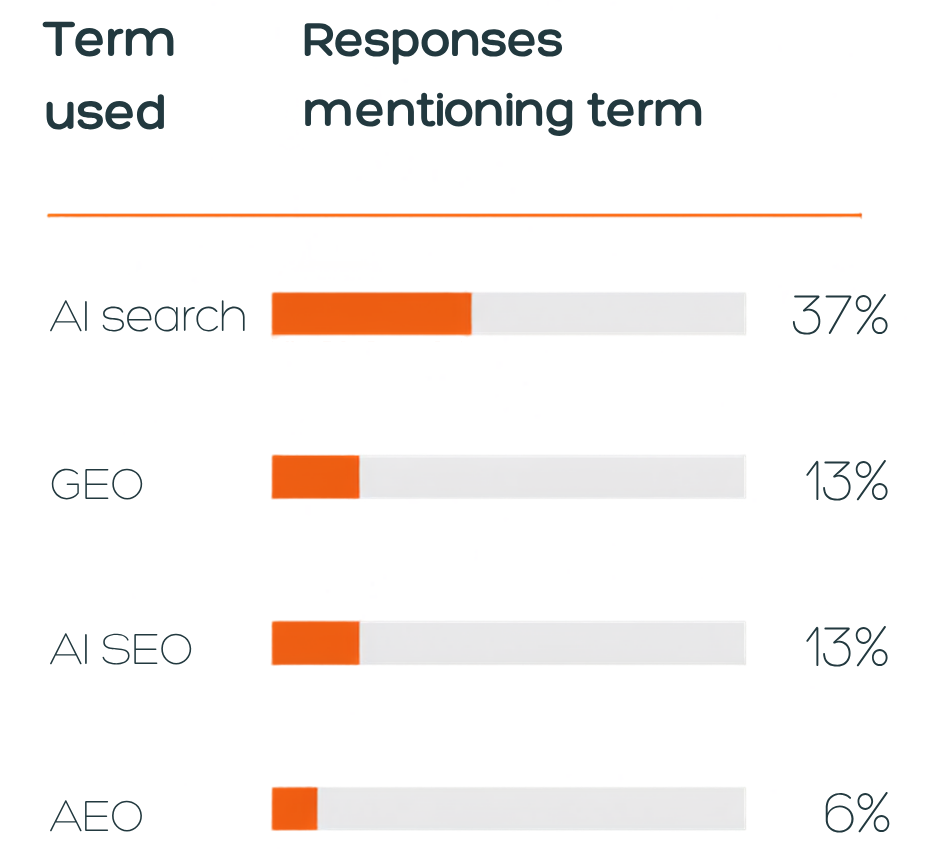
37% used “AI search” wording.
By comparison, 13% mentioned GEO and just 6% mentioned AEO.
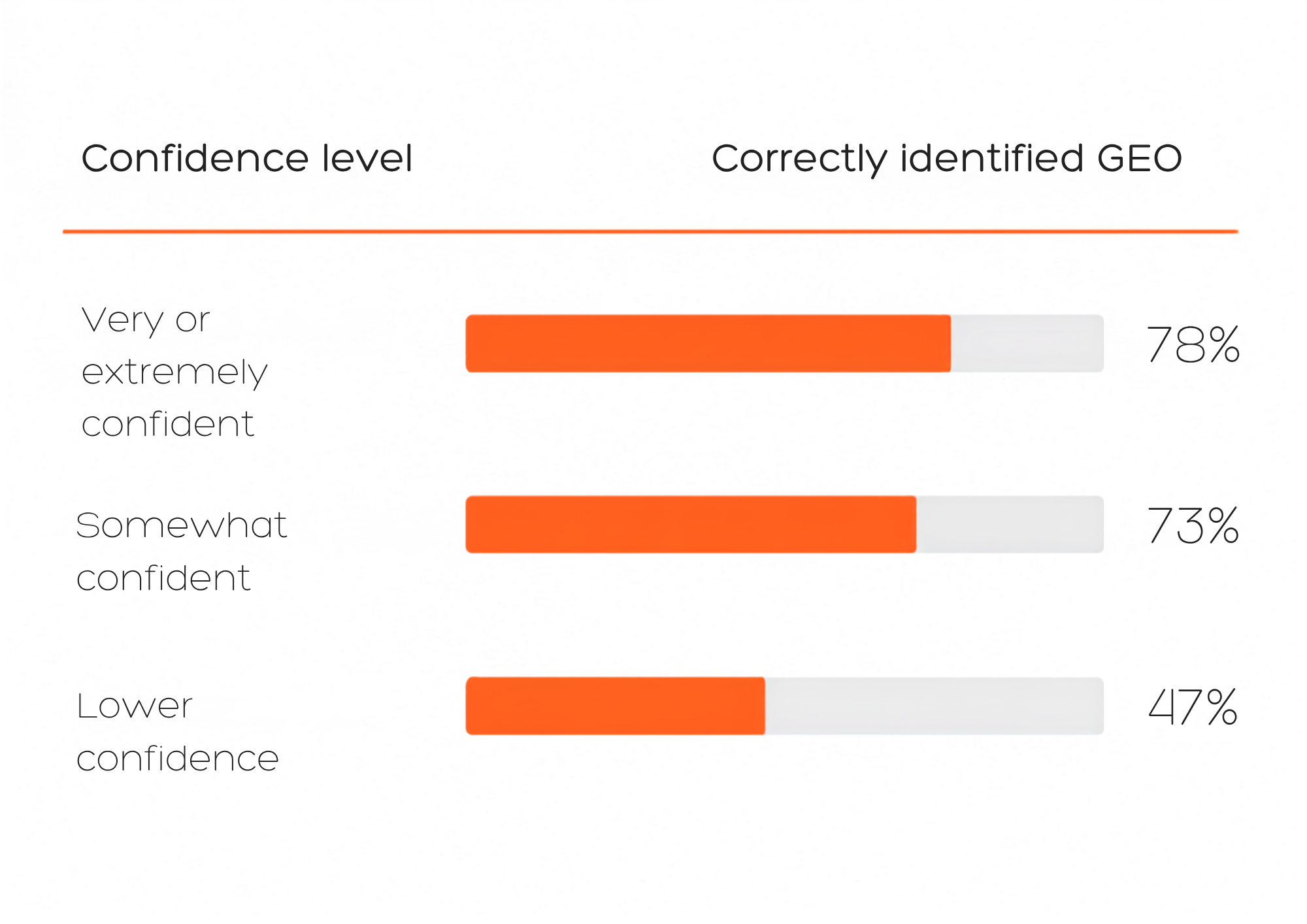
Most respondents felt reasonably comfortable talking about AI Search terminology. But confidence wasn’t a perfect predictor of identifying the correct GEO definition. Among respondents who described themselves as very or extremely confident, 22% didn’t select the correct definition of GEO.
22% of very or extremely confident respondents didn’t select the correct GEO definition.
Koozai AI Search Terminology Research, 2026.
One multiple-choice definition isn’t an entrance exam for AI Search expertise, of course. It does show why self-reported confidence and actual terminology recognition shouldn’t automatically be treated as the same thing.
Are GEO and AEO actually helpful?
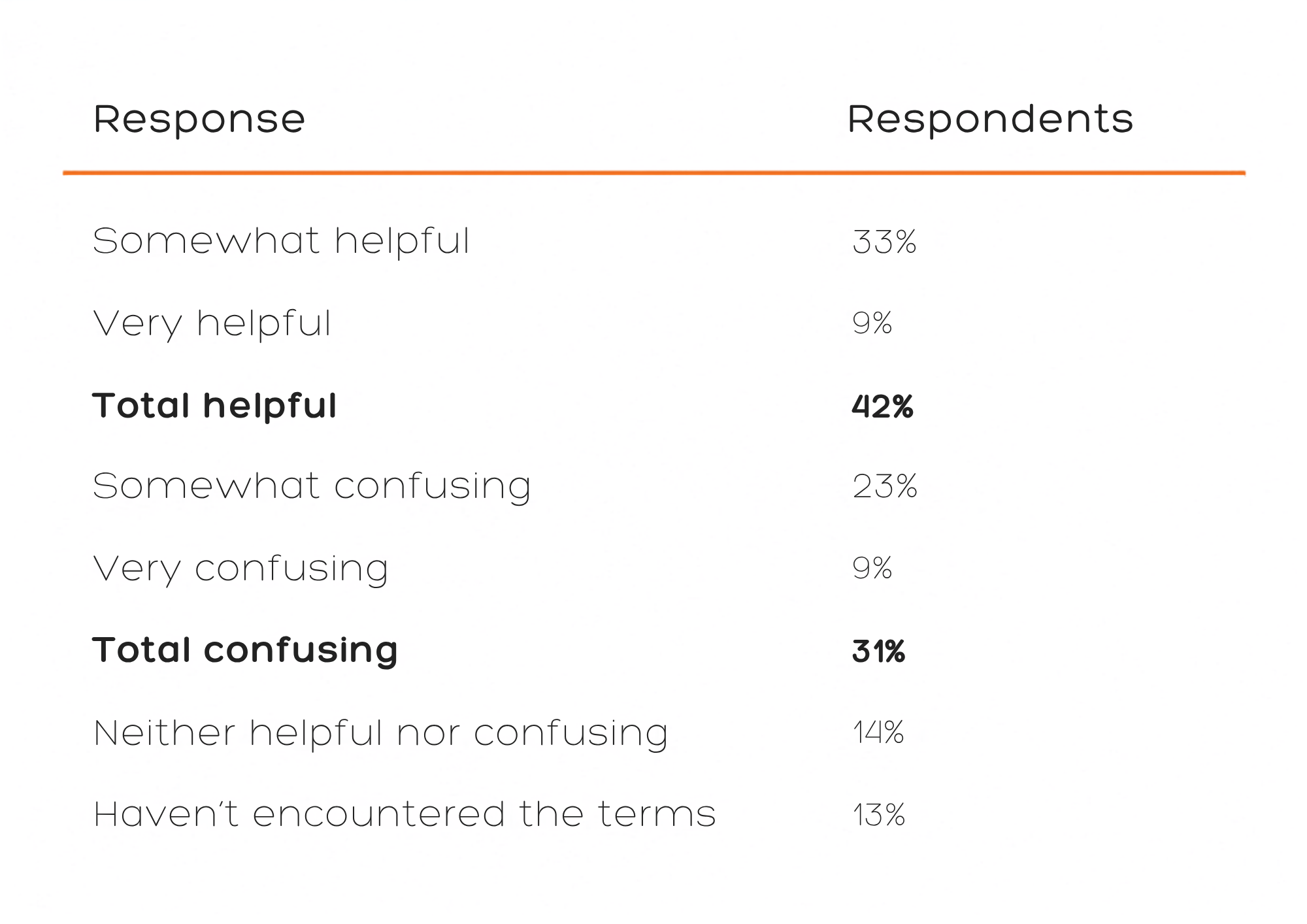
We also asked whether terms such as GEO and AEO help when agencies explain AI Search services. The answer was mixed. Around 42% found the terminology helpful, while 31% found it confusing.
.
Jargon isn’t what makes an AI Search agency credible
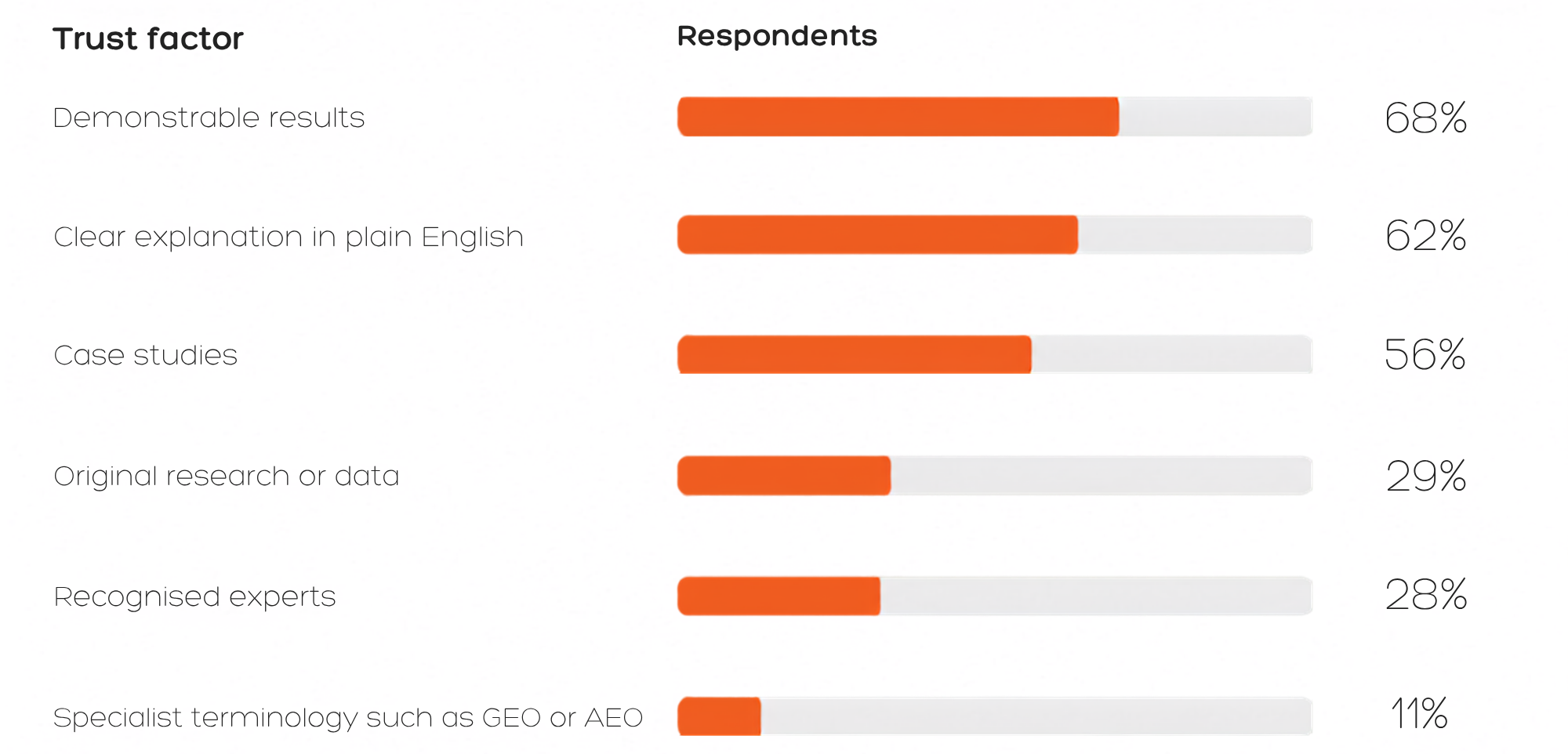
Finally, we asked what would make respondents trust an agency more when discussing AI Search. The clearest answer was proof. 68% chose demonstrable results, while 62% selected a clear explanation in plain English and 56% selected case studies. Specialist terminology such as GEO or AEO sat much further down the list at 11%.
What builds trust when an agency talks about AI Search?
“People prefer results to jargon” is hardly the marketing scoop of the century. But alongside the rest of the research, it tells us something useful. People don’t necessarily need agencies to stop using terminology such as GEO. They need agencies to explain what it means, connect it to an outcome and show that they can actually do the work.
So, does GEO have a branding problem?
Our research doesn’t suggest GEO is impossible to understand. Most respondents can identify what it stands for. Among people who said they had encountered GEO before the survey, the vast majority selected the correct definition. The gap appears later.
Recognition doesn’t translate neatly into preference, and preference doesn’t necessarily translate into the words people say they would search for.
AI Search Optimisation is more widely recognised than GEO or AEO.
It’s also the most popular description of the work in our research, while broader AI Search language appears considerably more often when respondents describe how they would look for an agency.
The search industry may be settling on terminology faster than everyone else is adopting it.
For agencies and marketing teams, the practical answer is fairly simple.
Use language people understand first.
Explain the acronyms where they’re useful.
Then focus on the bit people actually care about: helping the right customers find your brand wherever they’re searching.
What this means for marketing teams
Recognition isn’t the same as adoption
Someone knowing what GEO means doesn’t mean that’s the phrase they’d naturally use themselves.
Lead with the outcome
If you’re talking about improving visibility across ChatGPT, Google’s AI features and other AI-generated answers, make that clear.
The acronym can come afterwards.
AI Search Optimisation is currently a useful bridge
Our research doesn’t show that one term has definitively won.
But AI Search Optimisation combines relatively high awareness, the highest stated preference and language that closely matches how respondents say they would search for help.
It also has the small advantage of telling people roughly what it does without requiring a glossary.
Koozai surveyed 160 respondents who all described themselves as Marketers, during August and September 2026 about their awareness, understanding and use of terminology relating to AI Search.
Responses were collected using Prolific and SurveyMonkey.
The survey covered awareness of SEO, AI SEO, AI Search Optimisation, AEO, GEO and LLM optimisation, confidence explaining these terms, understanding of GEO, preferred terminology, proposed agency-search language, attitudes towards GEO and AEO, and the factors that influence trust when an agency discusses AI Search.
Questions allowing multiple selections are reported as the percentage of respondents selecting each answer, so percentages do not necessarily total 100%.
Free-text agency-search responses were coded according to terminology appearing within each answer. Individual responses may therefore appear in more than one category.
The agency-search question appeared after respondents had already encountered AI Search terminology elsewhere in the survey. These answers should therefore be treated as post-exposure search phrasing rather than completely unaided terminology.
Twenty-seven Prolific respondents stated that they were not currently working in marketing. We retained these responses because current employment status doesn’t necessarily mean someone lacks marketing experience. They may, for example, be between roles or taking a career break.
The findings should therefore be described as responses to Koozai’s UK marketing terminology study rather than as a nationally representative survey of currently employed UK marketers.
Figures have been rounded, so totals may occasionally differ slightly.
Using this research
Journalists, publishers and marketing teams are welcome to reference or reproduce the findings and charts from this research with attribution to Koozai and a link back to this page.
If you’re looking for additional data, commentary or expert input on AI Search, GEO, AEO or AI Search Optimisation, get in touch with the Koozai team.