Call 0845 485 1219
We love digital - Call and say hello - Mon - Fri, 9am - 5.30pm
Review of Leading Search Engines in 2012
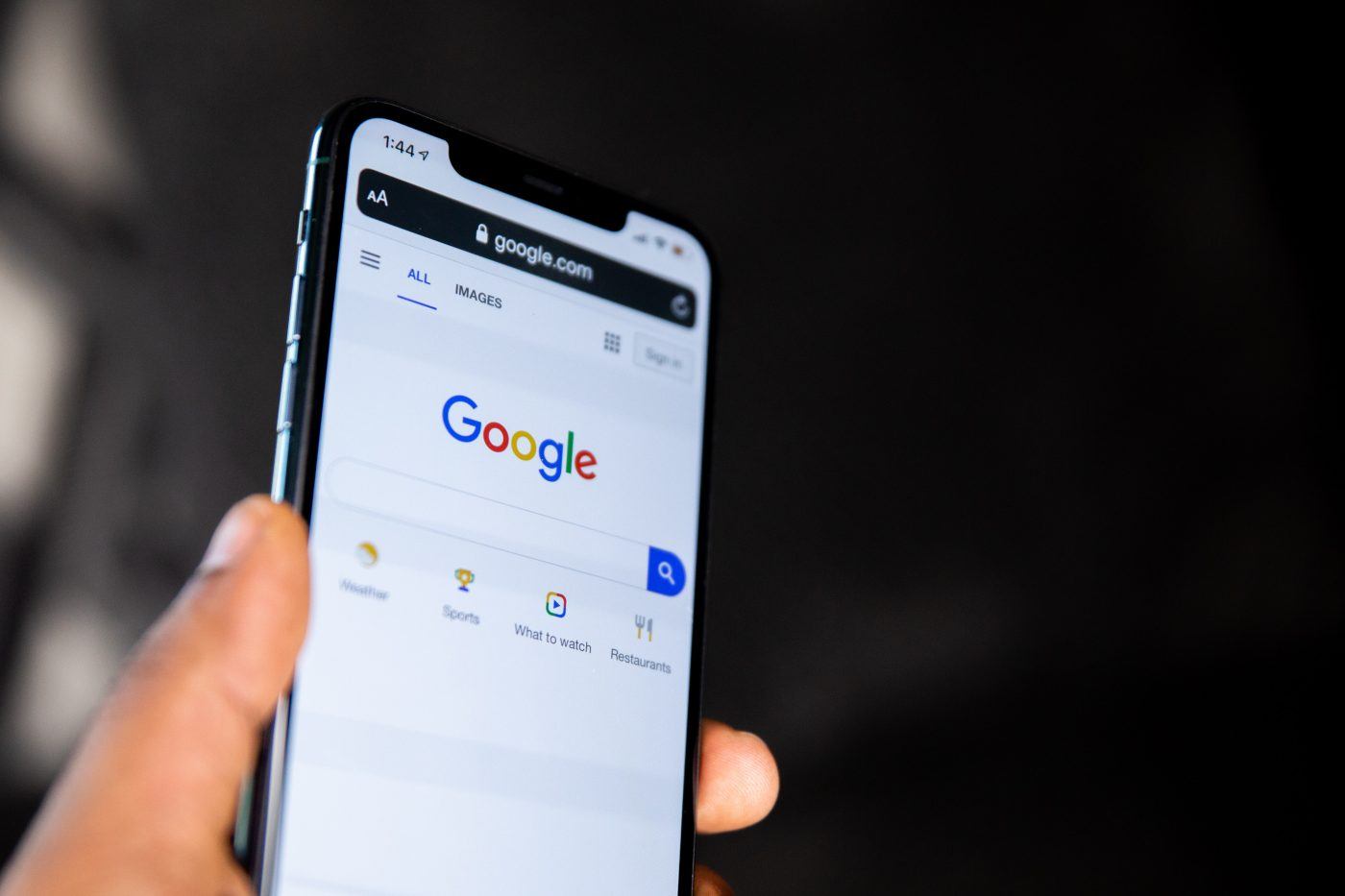
For most people nowadays, their search engine of choice is likely to be Google with an estimated market share of 66%. Like most others, I have been using Google for many years now, it is the first thing I see when I load up my browser and when I want to search for something, I generally load Google straight up.
Recently however, I was curious about the other search engines out there, old and new, that I have never really dedicated any time to. I couldn’t honestly say that I have enough experience of any other search engines to fully justify being dedicated to Google. So it was high time I checked them all out, and this post outlines my findings.
What Is Google Now And Why Should I Use It?
Ever at the forefront of innovative technology, it originally seemed that Google had decided to take on Apple’s Siri with Google Now, thought briefly to be their own mobile voice assistant. However the plot thickens, and it seems there is much more to Google Now than that as we’ll investigate today.
Where do the Bing Photographs come from?
Since launching the new search engine Bing has certainly made an impact and provided searchers with more choice when it comes to searching online. There are a number of factors which makes Bing individual and unique but one of the most notable differences are the amazing images which are shown on the search engines’ Home page everyday.
The stunning and breath-taking flora, fauna and geographical photographs, are of images from around the World. The photographs are definitely a bright way to start your day and will be sure to put a smile on your face or kick start a conversation in your office. The high quality photography really gives you a sense of being there and viewing it with your own eyes.
Read more
Visions of Google's Future - Google Glass, AI and Next Gen Search Engines
Google’s I/O conference gets technology and SEO folks all worked up. It might be for developers, but we’ve all got a stake in Googley goings on. Reading up about it over the weekend, it seems that Google has teased us all with visions of the future – well, the Google-centric version of the future. In Harry’s latest post (Seeing Double – How to Win the Second Screen Revolution), he talks about a future laden with self-driving hover cars and multi-function gesture controlled windows. Sounds cool huh?
Get London Underground Directions with Google Maps
It’s finally here! You can now get a range of London transport directions through Google Maps. This simple function will help millions of commuters get from A to B with an accurate list of instructions. The public transport directions will display information for all Underground, bus, tram and Docklands Light Railway (DLR) lines.
London is not always best known for its easy transport system, but this new function will help the public access quick up-to-date directions. For example, let’s say you are in Piccadilly Circus and you want to visit Shakespeare’s Globe Theatre. A simple direction search will display all the transport connections available.
New London Google Office - Learn with Google Day
You know you are working in digital marketing when you are actually excited about visiting the Google office. Well, that was me this morning, especially as they have just moved their London office to a brand new building near High Holborn. It’s so new I can even forgive Google for not having it on Google Maps – I’m just bitter because Google maps led me to a small theatre near Covent Garden…
Super Savvy Me: When is Online Advertising Not Advertising?
Theoretically, Super Savvy Me is a fantastic site for consumers to rate a wide range of products and enjoy decent discounts. However, you don’t need to scratch too far beneath the surface to expose the potentially misleading nature of the site.
I have to admit, I had never heard of it before a recent national radio advertising campaign. There again, I’m not exactly in their target market. Super Savvy Me is predominantly aimed at female Internet users. Offering, in their own (Meta) words, ‘Ideas, inspiration & wisdom to help you make the most out of life.’
Read more
Online TV Catch Up Service SeeSaw.com to close after 16 months
I remember being drawn into the buzz SeeSaw generated before its launch in February 2010. It had a long planning stage and was incredibly well deployed, so where has it gone wrong and how does the competition fair?
SeeSaw.com promised to bring together TV shows from a variety of producers. That’s great! Who doesn’t like the simplicity having everything in one place? A great idea on paper and focus groups loved it. It started out with just a selection of BBC, Channel 4 and Five shows with a plan to include selection of high profile US dramas in future following additional funding.
Informing the search engines of your location is such an important element of Local Search. It sounds obvious, but this can often be totally overlooked. Companies can take it for granted that people know where they are located and therefore so will the search engines.
But life isn’t that easy and unless you tell search engines where you are you’ll be relying on external links from other sites to provide them with this information, which is fine for improving your Google Places ranking but when you want your actual site to rank locally then you need to give Google a helping hand. Read more
Infographic: How Google Makes its Money
It’s no secret that Google makes more money than some countries. Last year their revenue reached a staggering $37.9 billion across multiple channels, including search advertising, display ads and services. But where did all that money come from?
The infographic below, created by Wordstream, highlights the advertising spend across all major markets in America and includes the top advertisers in each industry. Finance and insurance is the biggest sector, spending $4 billion, with retailers and general merchandise second coughing up $2.8 billion for ad space. You can also see what the most popular and, consequently, expensive keywords are in each sector, although please note that this is specific to the U.S. market.